Finding something unusual in your dog’s poop can be an unsettling experience. What do worms look like in dog poop? This is a common question among pet owners who notice strange shapes, strings, or moving particles in their dog’s stool. While seeing possible parasites can be alarming, recognizing the signs early can help you take the right steps toward protecting your pet’s health.
Dogs can pick up intestinal parasites from contaminated soil, infected animals, fleas, or other sources. Some worms are easy to spot, while others may only be detected through a veterinary stool test. Understanding what different parasites may look like and knowing when professional care is needed can make a significant difference. Scoopology understands how important a clean environment is for pets and families, which is why responsible waste removal can also support better parasite prevention.
What Do Worms Look Like in Dog Poop?
The appearance of worms in dog poop can vary depending on the type of intestinal parasite involved. Some worms may appear as long, thin strands, while others are much smaller and resemble grains of rice.
Roundworms, for example, can sometimes be visible in fresh stool or vomit. They may look like pale, spaghetti-like strands. Tapeworms are different because pet owners may notice small worm segments rather than a complete parasite. These segments can resemble tiny pieces of rice or cucumber seeds and may sometimes be found around the dog’s rear end or in bedding.
However, not everything unusual in poop is necessarily a worm. Grass, mucus, undigested food, and other material can look surprisingly similar. That is why you shouldn’t diagnose a parasite infection based on appearance alone.
A Simple Dog Poop Guide for Pet Owners
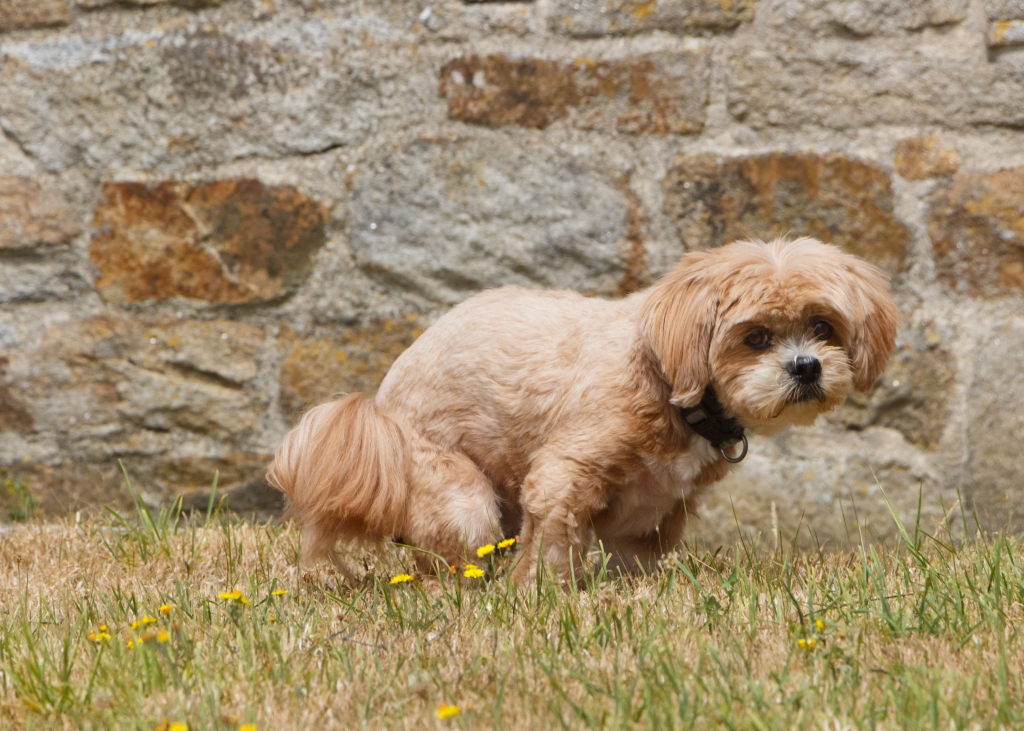
A basic poop guide can help you notice changes that deserve attention. Healthy dog poop is generally formed, moist, and brown. Sudden changes in color, consistency, frequency, or appearance may indicate that something is affecting your pet.
When checking your dog’s stool, look for anything that seems different from normal. You may notice visible worms, small white pieces, excessive mucus, blood, or unusually loose poop. These signs don’t automatically mean your dog has worms, but they are worth discussing with a veterinarian if they persist or occur alongside other symptoms.
Scoopology encourages pet owners to keep outdoor areas clean and remove dog waste promptly. Regular waste removal makes it easier to notice changes in stool and reduces the amount of potentially contaminated material left in areas where pets and people spend time.
Common Intestinal Worms You May Notice
Several types of intestinal worms can affect dogs. Each parasite has different characteristics, and some are more likely to be visible than others.
Roundworms are among the parasites that can sometimes be seen without magnification. They may look long and pale, particularly when passed in larger amounts. Tapeworms are often recognized through their worm segments, which can look like small grains around fresh poop.
Hookworms are much harder to identify by simply looking at stool because they are small and are not usually visible to the naked eye. Whipworms can also be difficult to detect without laboratory testing.
Because different intestinal parasites can cause overlapping symptoms, identifying a worm from its appearance alone can be unreliable. A veterinarian may recommend a fecal examination to determine which parasite is actually present.
Signs of Worm Infestations in Dogs
Visible worms are not the only indication that your pet could have intestinal parasites. Dogs with worm infestations may show several changes in their normal behavior or health.
Some dogs may have no obvious symptoms, especially during the early stages. Others can develop digestive or general health problems. Watch for signs such as:
- Diarrhea or unusually soft poop
- Vomiting or reduced appetite
- Weight loss despite eating normally
- A swollen or bloated abdomen
- Excessive scooting or irritation around the rear
- Low energy or changes in normal behavior
- Worms or unusual segments in the stool
The severity of symptoms can depend on the type of parasite, the number of worms present, and the dog’s age and overall health. Puppies can be particularly vulnerable to certain parasites, making regular veterinary care especially important.
Why Intestinal Parasites Should Not Be Ignored
Parasites can do more than create an unpleasant surprise in your dog’s poop. Some intestinal worms can interfere with nutrient absorption, irritate the digestive system, or contribute to poor body condition.
In more serious cases, untreated parasites can lead to anemia, dehydration, nutritional problems, or other complications. Young dogs may be particularly affected because their bodies are still developing.
It is also important to remember that not every parasite is found in the digestive tract. Heartworm, for instance, is a serious parasite that affects the heart and blood vessels rather than appearing as worms in dog poop. This is why comprehensive parasite prevention should be part of your dog’s regular health routine.
Scoopology focuses on helping pet owners maintain cleaner outdoor spaces by providing dependable pet waste removal. Keeping yards free of accumulated poop is one practical part of maintaining a cleaner environment for dogs and their families.
Treating Worms and Using Deworming Medications
If you suspect that your dog has worms, avoid choosing deworming medications based solely on what you see in the stool. Different parasites require different treatments, and some medications may not work against every type of worm.
A veterinarian can evaluate your dog’s symptoms, medical history, and stool sample before recommending appropriate treatment. Depending on the parasite, treating worms may involve prescription medication, repeat doses, or follow-up testing.
Following the veterinarian’s instructions is important even if your dog appears better after treatment. Some parasites have life cycles that make repeat treatment or continued monitoring necessary.
After treatment, maintaining good hygiene can also help reduce the chance of reinfection. Promptly picking up poop, washing hands after handling pet waste, and keeping shared outdoor areas clean can all contribute to better parasite prevention.
How Clean Spaces Support Parasite Prevention
A clean yard is more than a matter of appearance. Dog poop can become a source of environmental contamination when it is left on the ground for extended periods. Depending on the parasite, eggs or other infectious stages can potentially remain in the environment and expose pets later.
Routine waste removal helps reduce the amount of fecal material your dog encounters during outdoor activities. It can also make your yard more pleasant for everyone who uses it.
For busy pet owners, keeping up with daily cleanup can be difficult. Scoopology provides professional pet waste removal services designed to make this routine easier. Consistent cleanup allows families to enjoy their outdoor spaces without constantly worrying about accumulated poop.
Good sanitation should work alongside veterinary care, appropriate parasite prevention products, and responsible pet ownership. No single cleanup habit can replace professional medical advice, but maintaining a clean environment is an important part of overall pet care.
When Should You Contact a Veterinarian?
Seeing something that looks like a worm does not always mean there is a serious health problem, but it should not be dismissed either. A veterinarian can determine whether the material is actually a parasite and identify the appropriate treatment.
Contact a veterinary professional if you notice repeated worms in your dog’s poop, persistent diarrhea, vomiting, unexplained weight loss, weakness, blood in the stool, or significant changes in appetite or behavior.
It is also wise to ask about routine parasite screening and prevention. Regular veterinary examinations can detect certain problems before they become more serious.
If possible, take a photograph of anything unusual you find in the stool or ask your veterinarian whether you should bring a fresh stool sample. These details can make diagnosis easier.
Keep Your Dog’s Environment Clean With Scoopology
Your dog’s health starts with more than what goes into the food bowl. A clean outdoor environment can make everyday life healthier, safer, and more enjoyable for pets and their families.
If you have been wondering what do worms look like in dog poop, remember that unusual material in stool deserves attention, but only a qualified veterinarian can accurately diagnose an intestinal parasite. Combine professional veterinary care with consistent sanitation and parasite prevention to give your dog a healthier routine.
When keeping up with yard cleanup becomes another task on an already busy schedule, Scoopology can help. Professional pet waste removal makes it easier to maintain a cleaner yard while giving you more time to focus on the dog you love. With dependable cleanup support from Scoopology, maintaining a fresh and comfortable outdoor space can become one less thing to worry about.
A cleaner yard creates more room for the moments that matter. Let Scoopology take care of the mess so you and your dog can enjoy the outdoors with greater peace of mind.