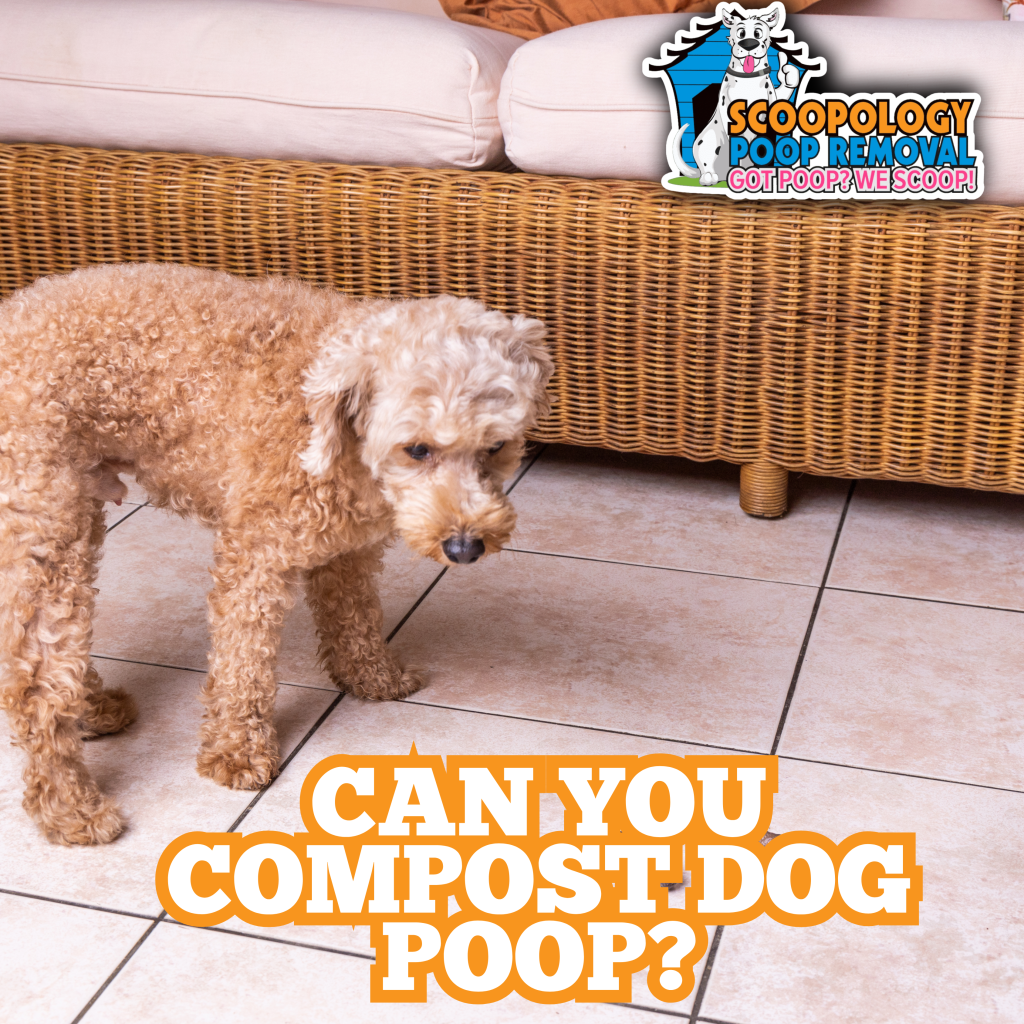
Dog ownership brings plenty of happiness, companionship, and unforgettable moments. However, it also comes with a responsibility that every pet owner must handle: cleaning up after their furry friend. While picking up dog poop is part of everyday life, many environmentally conscious pet owners wonder whether there is a greener way to manage this waste. This raises an important question: can you compost dog poop?
The short answer is yes, but it requires special care. Unlike ordinary household food scraps, dog waste contains bacteria and parasites that can create health risks if it is not handled correctly. Understanding the proper composting process can help pet owners make informed decisions while protecting their families, gardens, and the environment.
At Scoopology, we believe responsible pet ownership includes keeping outdoor spaces clean and understanding better ways to manage pet waste. Let’s explore how dog waste composting works, the precautions involved, and when professional cleanup is the better choice.
Can You Compost Dog Poop Safely?
Dog poop can be composted under controlled conditions, but it should never be treated like regular kitchen scraps. Food waste such as vegetable peels, fruit leftovers, and coffee grounds can usually go into a standard compost bin. Dog waste is different because it may contain harmful microorganisms.
The biggest concern is contamination. Dog poop can carry bacteria, including E. coli and Salmonella, as well as parasites that may survive in soil if the waste is not properly processed. Adding it to an ordinary garden compost pile can introduce unwanted health risks.
Safe composting requires maintaining sufficiently high temperatures for an appropriate period. The heat helps destroy many harmful pathogens, making the finished material safer to handle. However, reaching the correct temperature throughout the compost pile can be difficult with small household systems.
If you are considering this method, use a dedicated system designed specifically for pet waste. Never mix untreated dog poop with compost intended for vegetable gardens or edible plants.
Understanding How Composting Dog Waste Works
Composting is a natural process in which microorganisms break down organic materials into a soil-like substance. With the right combination of moisture, oxygen, and temperature, organic waste gradually decomposes.
The same general principle applies to composting dog waste, although the process requires additional precautions. A dedicated pet waste composting system creates an environment where microorganisms can break down the material over time.
Unlike a regular compost pile, this system should remain separate from household compost. It also needs proper temperature monitoring and enough time for decomposition.
It is important to understand that decomposition does not automatically mean sanitation. Dog waste may look completely broken down while still containing harmful organisms. This is why following a reliable composting method matters more than simply waiting for the poop to disappear.
Can You Compost Dog Poo in a Regular Compost Bin?
One common mistake pet owners make is adding dog poo to their existing compost bin. Although it might seem like a convenient solution, this is generally not recommended.
A regular compost bin is usually designed for biodegradable household materials. It may not reach or maintain the temperatures necessary to eliminate pathogens found in pet waste.
Mixing dog poop with leaves, grass clippings, and regular food items does not automatically make the entire mixture safe. Even if the waste decomposes, harmful bacteria or parasite eggs may remain.
For better waste management, keep dog waste completely separate from compost used around your home. A dedicated pet waste system is a more appropriate option if you want to explore composting.
Scoopology encourages pet owners to think carefully about disposal methods rather than assuming every biodegradable material belongs in the same bin.
What Materials Are Needed for Poo Compost?
If you decide to compost dog waste using a suitable dedicated system, selecting the right materials is essential. The goal is to support decomposition while maintaining a controlled environment.
A typical system may require:
- Dog waste: Freshly collected poop serves as the organic material being broken down.
- Carbon-rich materials: Dry leaves or untreated wood shavings can help balance the compost mixture.
- Water: Appropriate moisture supports the microorganisms responsible for decomposition.
- A dedicated container: A suitable bucket or composting unit helps keep the process contained.
- A secure lid: A properly fitted lid helps discourage pests and limits unwanted access.
- Temperature monitoring: A compost thermometer helps determine whether the required heat levels are being reached.
Avoid using plastic bags as compost ingredients unless they are specifically designed for and approved by your composting system. Ordinary plastic does not break down like organic material and can contaminate the finished mixture.
Choosing appropriate materials helps create better conditions for decomposition, but it does not replace the need for proper sanitation.
Composting Dog Poo | Important Health Risks to Consider
Before starting composting dog waste, it is essential to understand the potential risks. Dog poop is not harmless simply because it comes from a healthy-looking pet.
Parasites, bacteria, and other microorganisms may be present even when there are no visible signs of illness. Handling contaminated waste without protection can expose people to unwanted health problems.
Children, older adults, and individuals with weakened immune systems should take particular care around pet waste.
Always wear disposable gloves when collecting or handling dog poop. Wash your hands thoroughly afterward, even if you believe you have avoided direct contact. Keep composting equipment away from children’s play areas, pet feeding stations, and household food preparation spaces.
Another important precaution is preventing runoff. If a composting system is placed outdoors, make sure it is properly managed so contaminated liquids cannot reach nearby water sources.
Responsible composting requires more than putting waste in a container. It involves protecting everyone who shares the surrounding environment.
Compost Dog Waste or Bury It | Which Is Better?
Some pet owners consider burying dog poop as an alternative to composting. Although this may appear simple, it is not always a safe or environmentally responsible option.
Burying untreated dog waste directly in the ground does not guarantee that harmful pathogens will disappear. Depending on soil conditions, moisture, and location, microorganisms can remain active and potentially spread.
Dog poop should never be buried near vegetable gardens, water wells, streams, or areas where children and other pets regularly play.
A properly designed pet waste composting system offers more control over decomposition than simply placing waste underground. However, it still requires careful management.
If you do not have the right equipment or enough outdoor space, ordinary pet waste disposal may be the more practical choice. Collecting waste in a secure bag and following your local disposal guidelines can help maintain a cleaner environment.
Why Composting Dog Waste Is Not Always Recommended
Although composting has environmental benefits, it is not necessarily the best solution for every household. The process requires time, equipment, monitoring, and an understanding of sanitation.
Many people assume that pet poop cannot be composted under any circumstances. That is not entirely accurate. It can be processed through specialized systems, but the finished material must be handled appropriately.
For most homeowners, the biggest challenge is maintaining the conditions needed to make the final product safe. Small composting piles may struggle to reach the required temperature consistently.
Additionally, pet waste compost should not be used directly on edible crops unless a validated process and applicable safety guidance specifically support that use.
If you are unsure whether you can manage composting correctly, choose a simpler disposal method. Keeping dog waste contained and removing it regularly is often a safer and more convenient approach.
Scoopology understands that every pet owner wants a clean yard without adding unnecessary complications to their daily routine.
Better Ways to Manage Dog Waste Around Your Home
You do not have to compost dog waste to make your household more environmentally responsible. Simple habits can make a significant difference in maintaining a healthy outdoor space.
Start by collecting dog poop as soon as possible. Leaving waste on the ground can create unpleasant smells, attract flies, and increase the possibility of contamination.
Keep a designated waste bin with a secure lid in a convenient outdoor location. Empty it regularly according to local disposal requirements, and clean the container when needed.
You can also establish a consistent yard-cleaning schedule. This is especially helpful for households with multiple dogs, where pet waste can accumulate quickly.
Professional cleanup is another practical option for busy families. Regular service helps prevent waste from building up and allows you to enjoy your outdoor space without spending valuable time searching the garden for unwanted messes.
At Scoopology, we understand the importance of dependable pet waste removal. Our goal is to help pet owners maintain cleaner, more comfortable outdoor environments through consistent and quality-focused service.
Contact Us
A clean yard makes spending time outdoors more enjoyable for everyone. Whether you have one playful puppy or several adult dogs, managing pet waste should remain a regular part of your home maintenance routine.
While composting dog poop may sound like an attractive environmental solution, it is important to recognize its limitations. A dedicated composting system requires proper management, and untreated pet waste should never be mixed with ordinary garden compost.
For homeowners who prefer a simpler approach, professional cleanup can make everyday yard maintenance much easier.
Scoopology is committed to helping pet owners enjoy cleaner outdoor spaces without the constant hassle of picking up dog waste. With dependable service and attention to cleanliness, Scoopology makes it easier to keep your yard pleasant, hygienic, and ready for family activities.
Don’t let pet waste take away the enjoyment of your outdoor space. Contact Scoopology today and discover how professional pooper scooper services can help you maintain a fresher, cleaner yard!